The Enchanting Charisma of the Photography Font in Design
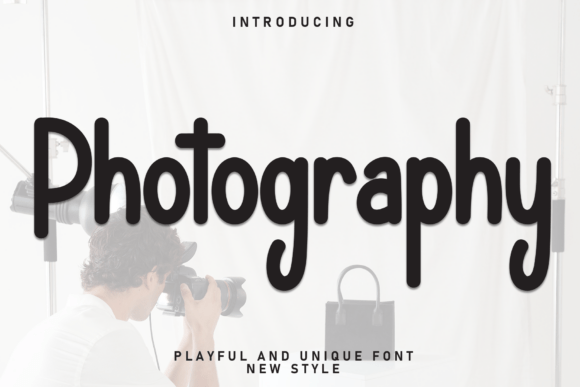
In the world of visual communication, the typeface you choose is more than just a vessel for words; it is the voice, the tone, and the personality of your message. When a project demands a touch of intimacy, warmth, and artistic flair, a standard sans serif or a rigid serif font often falls short. This is where a meticulously crafted script font enters the stage, transforming simple text into a piece of art. Photography, a premium font that embodies this very principle, offers a unique blend of whimsy and elegance. It’s not merely a handwritten font; it is a carefully designed typeface that captures the fluidity and emotion of human expression, making it an invaluable design asset for a wide array of creative professionals.
A Symphony of Whimsy and Luscious Elegance
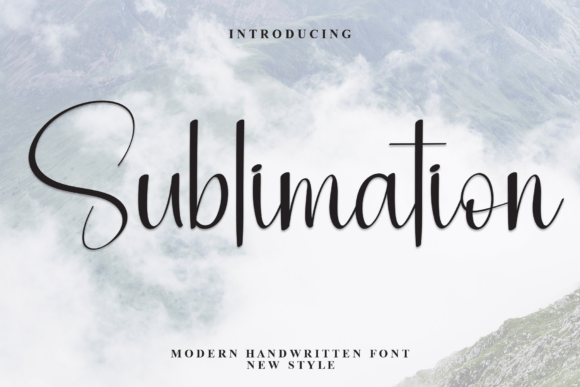
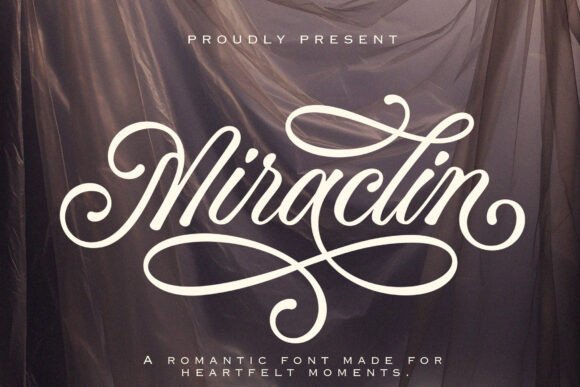
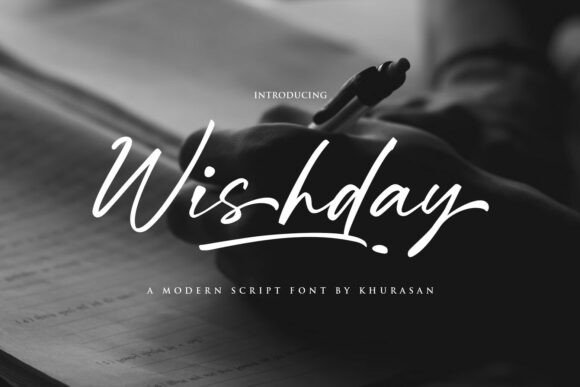
At its core, Photography is defined by its enchanting character. Unlike many script fonts that lean heavily into either casual or formal extremes, Photography strikes a harmonious balance. Its letterforms flow with a natural, hand-drawn rhythm, featuring delicate swashes and thoughtful ligatures that connect letters in a graceful dance. This gives it a personal, artisanal quality. Yet, there is a distinct undercurrent of sophistication. The consistent stroke weight and well-considered spacing prevent it from looking messy or amateurish. This versatility is its greatest strength. It can feel whimsical and playful for a children's brand, yet luscious and elegant enough for a high-end logo design or wedding stationery. The overall appeal lies in its ability to evoke emotion instantly. It feels human, approachable, and full of life, making any text set in Photography feel less like a corporate statement and more like a heartfelt note.
Where Photography Truly Shines: Real-World Applications
Understanding a font's personality is one thing; knowing where to deploy it for maximum impact is another. Photography’s versatile charm allows it to excel across numerous mediums, adding a layer of emotional resonance that static fonts cannot match.
In brand identity, Photography is a powerful tool for businesses that want to convey authenticity and care. Think of a boutique bakery, a wedding photographer, a skincare artisan, or a local florist. Using this font for their logo design or on packaging immediately communicates a hands-on, quality-focused ethos. It tells customers there is a real person behind the brand, dedicated to their craft. For editorial design, it can be used for pull quotes in magazines or chapter headings in books to break the monotony of body text and draw the reader’s eye to key phrases. In packaging design, it adds a touch of luxury and bespoke quality, making a product feel like a special find.
The digital realm is where Photography’s energy truly comes alive. On websites, it serves as a stunning display font for hero sections, call-to-action buttons, or special announcements, immediately setting a creative and welcoming tone. For social media graphics, it is invaluable. In a crowded feed, a post featuring a quote or a special offer set in Photography stands out. Its handwritten nature feels native to platforms like Instagram and Pinterest, fostering a more personal connection with the audience. It’s perfect for creating cohesive and visually appealing templates for bloggers and content creators.
Of course, its most classic application remains in print. The font was practically born for wedding invitations, thank you cards, and sentimental letters. Its flowing style mimics the look of custom calligraphy, adding a deeply personal and romantic touch to life's most cherished events. For small business owners, using it on business cards, product tags, or promotional flyers can elevate their professional image and make their materials more memorable.
Practical Guidance for Using a Creative Font Like Photography
Incorporating a creative font like Photography into your work requires more than just a love for its style. A strategic approach ensures it enhances, rather than hinders, your message. Here are some practical considerations for designers, marketers, and hobbyists alike.
Ensuring Readability and Visual Hierarchy
The most beautiful font in the world is useless if it can’t be read. Photography is a display font, meaning it’s designed for headlines and short bursts of text, not for lengthy paragraphs. Using it for body copy would quickly lead to eye strain and poor user experience. Its strength is in creating a strong visual hierarchy. Pair it with a clean, highly legible sans serif font or a classic serif font for your main text. This contrast allows Photography to command attention where it matters most—like a logo, a headline, or a key call to action—while the supporting font ensures the rest of your content is easily digestible. A good font pairing is a conversation, not a competition.
Evaluating Project Fit and Brand Perception
Before choosing Photography, consider your project's goals and audience. Is the tone you're aiming for friendly, elegant, personal, and creative? If so, it’s an excellent fit. However, if your brand identity needs to convey corporate stability, technological precision, or stark minimalism, a different typeface might be more appropriate. The font you choose directly influences how your audience perceives your brand. Photography suggests a brand that is approachable, artistic, and values human connection.
Testing, Licensing, and Exploring Included Styles
Always test a font in context before committing. Download a trial version if available and see how it looks with your specific color palette, imagery, and other design elements. Check the details: does the modern typography include multiple stylistic alternates, ligatures, or a full set of numerals and punctuation? These extra glyphs can add variety and a more authentic handwritten feel to your designs. Crucially, if your project is commercial—whether it's a client's website, a product for sale, or marketing materials—you must ensure you have the correct commercial font license. Using a font without a proper license can lead to legal issues. Reputable foundries and marketplaces are always transparent about their licensing terms for both personal and commercial use.
Ultimately, a premium font like Photography is more than just a file you install. It’s a versatile tool that, when used thoughtfully, can infuse your projects with emotion, personality, and a memorable sense of artistry. It bridges the gap between digital precision and human touch, making it a worthy addition to any designer’s toolkit.